
Laparoscopic Hysterectomy in Mumbai
What is Laparoscopic Hysterectomy
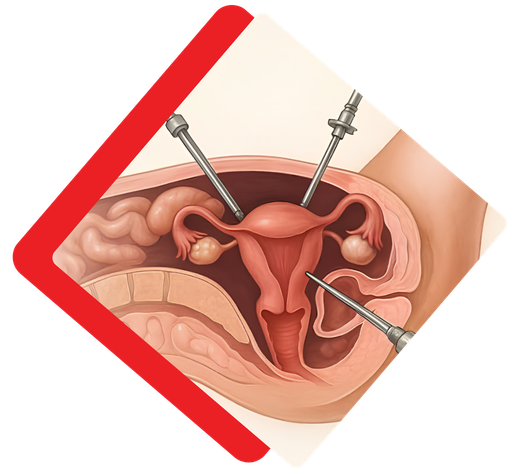
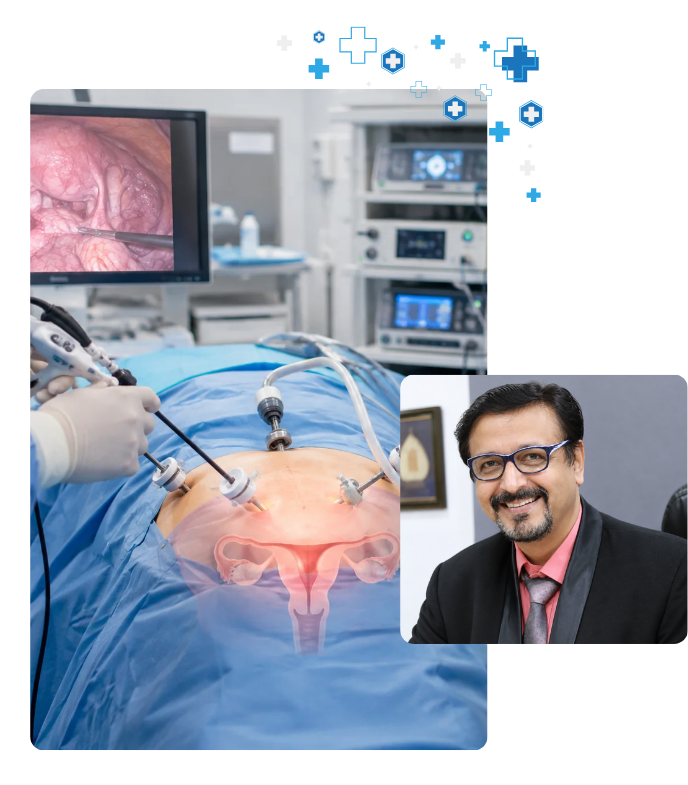
Laparoscopic hysterectomy is a minimally invasive surgical procedure to remove the uterus through small abdominal incisions using a camera and specialised instruments. It may be recommended for certain gynaecological conditions when medication or other treatments have not provided sufficient relief, or when surgery is considered the most appropriate option.
At Shree Hospital, Vashi, the decision to proceed with a hysterectomy should be based on the underlying condition, medical history, investigation findings and the available treatment alternatives. Understanding the procedure, its benefits and its limitations helps patients prepare for an informed discussion with their treating gynaecologist.
KNOW THE BASICS
When the Uterus Needs Surgical Attention
A hysterectomy is a significant surgical decision, usually considered after evaluating the condition affecting the uterus and the response to other treatment options. Depending on the diagnosis, the procedure may help address persistent bleeding, pelvic discomfort, pressure symptoms or certain serious diseases.
Laparoscopic surgery uses a camera and instruments introduced through small incisions rather than one large abdominal incision. This approach may reduce postoperative discomfort and shorten recovery compared with open abdominal surgery in suitable cases. However, the safest surgical approach depends on the patient’s condition and the surgeon’s assessment.
When Is Laparoscopic Hysterectomy Recommended?
The recommendation for surgery depends on the severity of symptoms, the underlying diagnosis and whether less invasive treatments are suitable.
Persistent Heavy Bleeding
Heavy or prolonged menstrual bleeding that continues despite appropriate medical treatment may require further evaluation and, in selected cases, hysterectomy.
Uterine Fibroids
Fibroids that cause significant bleeding, pain or pressure symptoms may require surgery when medication or uterus-preserving options are unsuitable or ineffective.
Adenomyosis or Endometriosis
Severe symptoms associated with adenomyosis or selected cases of endometriosis may lead to discussion of hysterectomy after other treatment options are considered.
Uterine Prolapse
When the uterus descends into the vaginal canal and causes significant discomfort or functional problems, hysterectomy may form part of the surgical plan.
Types of Hysterectomy
The type of hysterectomy depends on the condition being treated and the extent of tissue removal required. Laparoscopic surgery describes the approach used to perform the operation, while the type of hysterectomy describes what is removed.
Total Hysterectomy
The uterus and cervix are removed. The ovaries and fallopian tubes may be retained or removed separately, depending on the medical indication.
Subtotal Hysterectomy
The main body of the uterus is removed while the cervix remains in place. Continued cervical screening may still be required, according to clinical guidance.
Hysterectomy with Removal of Fallopian Tubes or Ovaries
The uterus may be removed along with one or both fallopian tubes or ovaries when indicated. Removing both ovaries before natural menopause causes surgical menopause.
Radical Hysterectomy
This more extensive operation removes the uterus, cervix and surrounding tissues and may include the upper part of the vagina. It is used for selected cancers and requires specialist assessment.
What Can Lead to Conditions Requiring Hysterectomy?
Several gynaecological conditions can affect the uterus and lead to persistent symptoms such as heavy menstrual bleeding, pelvic pain or pressure. Some develop due to hormonal influences or changes in uterine tissue, while others are associated with weakening of the pelvic support structures or abnormal cell growth.
The underlying cause varies from one condition to another, and not every diagnosis requires removal of the uterus. Understanding these contributing factors helps guide further investigations and determine whether medication, other procedures or hysterectomy may be appropriate.
Hormonal Imbalances
Changes in reproductive hormones can contribute to irregular or heavy menstrual bleeding.
1
Uterine Tissue Changes
2
Fibroids and adenomyosis can cause persistent bleeding, pelvic pain or pressure symptoms.
Pelvic Support Weakness
Weakened pelvic muscles and connective tissues can contribute to uterine prolapse.
3
Abnormal Cell Growth
Precancerous changes or certain cancers may require surgical treatment, depending on the diagnosis.
4
Laparoscopic Hysterectomy at Shree Hospital
Choosing whether to undergo a hysterectomy requires a clear understanding of the diagnosis, the reason surgery is being considered and the alternatives available. Shree Hospital in Vashi provides a setting for discussing surgical care and the practical considerations involved in treatment.
During your consultation, share your symptoms, previous treatment records, medical history and any relevant imaging or investigation reports. Your treating specialist can explain whether laparoscopic surgery is appropriate or whether another approach should be considered.
01

Call Our Hospital
Connect with our team to discuss your needs.
02

Book Your Appointment
Schedule a consultation with our surgical team.
03

Consult Our Surgeon
Discuss your condition and suitable treatment options.
04
Begin Your Treatment
Follow your recommended care and recovery plan.
FAQs About Laparoscopic Hysterectomy
Can the uterus be removed without a large abdominal incision?
Yes. Laparoscopic hysterectomy uses several small abdominal incisions, and the uterus may be removed through the vagina or another suitable route.
Will I have periods after a hysterectomy?
No. Removing the uterus stops menstrual periods permanently. Menopause symptoms depend partly on whether the ovaries are also removed.
Is hysterectomy the only treatment for uterine fibroids?
No. Depending on symptoms and fibroid characteristics, options may include medicines, other procedures or surgery that preserves the uterus.
Can this be performed after previous abdominal surgery?
It may be possible. Previous surgery can cause internal scar tissue, so the surgeon must assess whether laparoscopy is appropriate and safe.
How long does recovery usually take?
Recovery often takes several weeks. The time needed to return to work, exercise and other activities depends on the operation and your surgeon’s advice.
What should I bring to my hysterectomy consultation?
Bring previous scans, investigation reports, prescriptions, details of earlier treatments and a list of your current medicines and medical conditions.
Insurance Coverage & Government Healthcare Schemes

Private & Government Insurance
Cashless facilities with eligible insurers and TPAs.

Government Healthcare Schemes
Coverage for eligible ESIS, PM-JAY and MJPJAY beneficiaries.

Financial
Assistance
Eligible support through applicable CM Fund credits.
Considering Laparoscopic Hysterectomy?
If persistent bleeding, fibroids, pelvic discomfort or another uterine condition is affecting your daily life, a specialist consultation can help clarify the diagnosis and available treatment options. Contact Shree Hospital, Vashi, to enquire about an assessment and discuss whether laparoscopic hysterectomy may be suitable for your condition.