
Hip Replacement in Mumbai
What is Hip Replacement
Hip replacement is a surgical procedure used to relieve persistent hip pain and improve movement when the joint is severely damaged. Conditions such as advanced arthritis, certain fractures and other forms of joint damage can make walking, sitting, climbing stairs or sleeping increasingly difficult. When medication, activity modification and other non-surgical measures no longer provide sufficient relief, hip replacement may be considered.
The procedure involves replacing the damaged joint surfaces with artificial components designed to support movement and reduce pain. At Shree Hospital, Vashi, an orthopaedic assessment helps determine whether hip replacement is appropriate based on the extent of joint damage, mobility limitations, general health and expected functional benefits.
KNOW THE BASICS
When Hip Damage Starts Affecting Everyday Movement
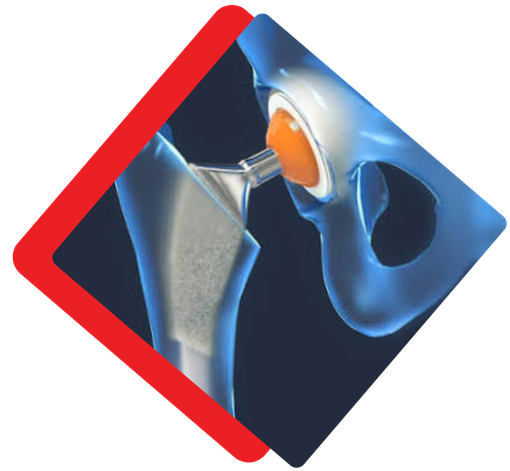
The hip is a ball-and-socket joint formed by the head of the thighbone and the socket in the pelvis. Smooth cartilage covers the joint surfaces, allowing the bones to move against each other with minimal friction. When this cartilage wears away or the underlying bone becomes damaged, movement can become painful and restricted.
Hip problems may develop gradually due to osteoarthritis, inflammatory arthritis or changes in the blood supply to the femoral head. In other cases, a serious hip fracture may damage the joint and affect a person’s ability to bear weight. The location of the pain, stiffness, walking difficulty and findings on examination help the orthopaedic surgeon identify the likely cause.
Hip replacement is generally considered when joint damage is substantial and symptoms continue to interfere with daily activities despite appropriate non-surgical treatment. The decision is not based on an X-ray alone. Pain severity, functional limitations, general fitness, bone condition and the person’s goals are also important when evaluating the potential benefits of surgery.
When Is Hip Replacement Considered?
Hip replacement may be recommended when joint damage causes persistent symptoms that significantly affect mobility and quality of life. The decision follows a clinical assessment and review of imaging, previous treatment and overall health.
Persistent Hip Pain
Pain that continues despite medication, activity modification or other recommended treatments may indicate that joint damage needs further evaluation.
Restricted Movement
Stiffness that makes walking, dressing, sitting or climbing stairs difficult may be associated with advanced damage to the hip joint.
Advanced Joint Changes
Imaging may show significant cartilage loss, deformity or damage to the joint surfaces that corresponds with the person’s symptoms.
Selected Hip Fractures
In certain fractures, particularly in older adults, joint replacement may be considered when repairing the fracture is unlikely to provide a suitable result.
What Can Lead to Hip Joint Damage?
The hip joint may become damaged through gradual cartilage wear, inflammation, impaired blood supply or injury. As the joint surfaces deteriorate, movement can cause pain and stiffness, and the surrounding muscles may weaken because of reduced activity. The underlying cause influences the type of treatment that may be appropriate. Not everyone with hip pain requires replacement surgery. Early or less severe conditions may be managed with medication, physiotherapy, walking aids or other treatments, depending on the diagnosis. Hip replacement is generally considered when structural joint damage and persistent symptoms make non-surgical measures insufficient.
Osteoarthritis
Progressive cartilage wear causes the joint surfaces to become less smooth, leading to pain, stiffness and reduced movement.
Hip Fractures and Injury
Certain fractures or severe injuries can damage the joint or disrupt its structure, sometimes making replacement surgery a suitable option.
Inflammatory Arthritis
Involves selected abdominal conditions requiring careful dissection around affected tissues or nearby organs.
Avascular Necrosis
Reduced blood supply to the femoral head can cause bone tissue to deteriorate and the joint surface to collapse in advanced cases.
Types of Hip Replacement: Choosing the Right Procedure
Hip replacement surgery is not identical for every person. The procedure depends on the reason for surgery, the extent of damage, the condition of the femoral head and socket, bone quality and the person’s age and activity level. The orthopaedic surgeon uses these findings to determine which approach is appropriate.
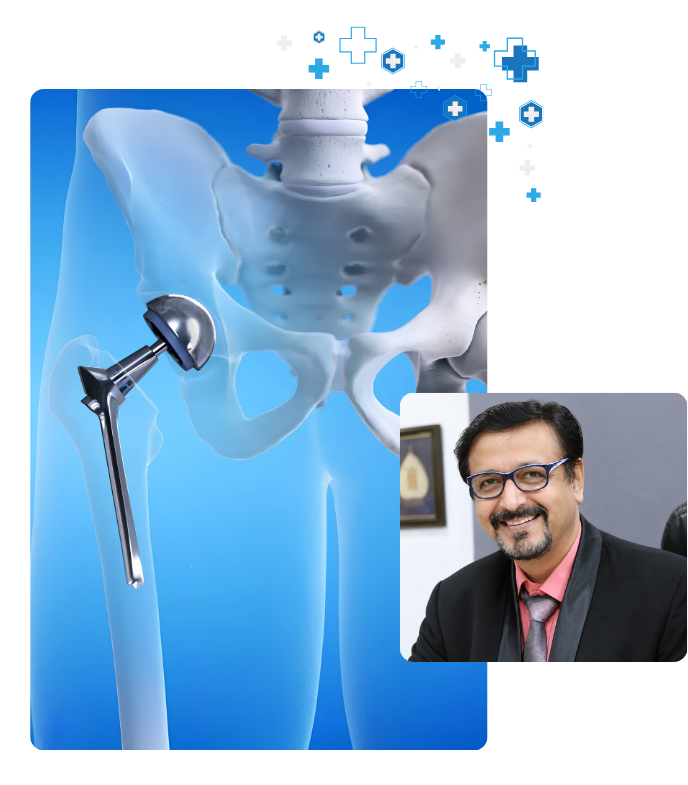
The distinction between total and partial replacement is particularly important. Some people require replacement of both sides of the joint, while selected patients with specific fractures may benefit from replacing only the femoral head. The choice of implant fixation and surgical approach is also based on clinical factors rather than a single method being suitable for everyone.
Total Hip Replacement
Both the damaged femoral head and the socket surface are replaced with artificial components. It is commonly considered for advanced arthritis and extensive joint damage.
1
Partial Hip Replacement
2
The damaged femoral head is replaced while the natural socket is retained. It may be suitable for selected hip fractures, particularly when the socket remains in good condition.
Cemented Hip Replacement
Bone cement is used to secure one or more implant components. This may be considered when bone quality and other clinical factors favour cemented fixation.
3
Uncemented Hip Replacement
The implant is designed to achieve stability through a close fit and eventual bone growth onto its surface. Suitability depends on bone quality and the surgeon’s assessment.
4
Hip Replacement at Shree Hospital
Hip replacement requires careful evaluation of joint damage, bone quality, medical fitness and the expected functional benefit of surgery. At Shree Hospital, Vashi, an orthopaedic consultation can help determine whether total or partial replacement may be appropriate and what preparation and rehabilitation could involve. The treatment plan should account for the person’s mobility needs, existing medical conditions and recovery support. Before proceeding, patients should discuss the proposed implant, surgical approach, potential risks, hospital arrangements and postoperative follow-up with the treating orthopaedic team.
01

Call Our Hospital
Connect with our team to discuss your needs.
02

Book Your Appointment
Schedule a consultation with our surgical team.
03

Consult Our Surgeon
Discuss your condition and suitable treatment options.
04

Begin Your Treatment
Follow your recommended care and recovery plan.
FAQs About Hip Replacement
When should someone consider hip replacement?
Hip replacement may be considered when persistent pain and restricted movement significantly affect daily activities and non-surgical treatments no longer provide sufficient relief. The decision follows an orthopaedic assessment.
How long does a hip replacement last?
Implant longevity varies with implant design, activity levels, health factors and other considerations. Many implants function for years, but regular clinical review and further treatment may sometimes be needed.
Is hip replacement suitable for younger adults?
It may be appropriate for younger adults with severe joint damage, but age, activity requirements, bone condition and the potential need for future revision surgery must be considered carefully.
How soon can a person walk after hip replacement?
Many patients begin assisted walking within a short period after surgery when medically safe. The timing and amount of support required depend on the procedure, health status and rehabilitation plan.
What activities should be avoided after hip replacement?
Restrictions depend on the surgical approach and the surgeon’s instructions. High-impact activities and certain movements may need to be limited during recovery, while safe activity is gradually increased.
Is physiotherapy necessary after hip replacement?
Physiotherapy is an important part of rehabilitation for most patients. It helps improve muscle strength, balance, walking ability and confidence with everyday movement.
Insurance Coverage & Government Healthcare Schemes

Private & Government Insurance
Cashless facilities with eligible insurers and TPAs.

Government Healthcare Schemes
Coverage for eligible ESIS, PM-JAY and MJPJAY beneficiaries.

Financial
Assistance
Eligible support through applicable CM Fund credits.
Take the Next Step Towards Better Hip Mobility
Persistent hip pain can make routine movement increasingly difficult. An orthopaedic assessment can help identify the cause, review available treatment options and determine whether hip replacement is appropriate. Book a Consultation at Shree Hospital, Vashi, to discuss hip pain, joint damage and the next steps towards treatment.