
Endoscopic Kidney Stone Treatment in Mumbai
What is Endoscopic Kidney Stone Treatment
Kidney stones develop when minerals and salts in urine form hard deposits within the urinary tract. Depending on their size and location, these stones may cause severe pain, blood in the urine, nausea or difficulty passing urine. While smaller stones may pass naturally with appropriate medical guidance, larger stones or those causing persistent symptoms may require a procedure to remove or break them.
Endoscopic kidney stone treatment uses specialised instruments inserted through the urinary passage or, for certain procedures, through a small incision in the skin to reach and treat stones. The choice of procedure depends on stone size, location, urinary tract anatomy and whether an obstruction or infection is present. At Shree Hospital, Vashi, a urological assessment can help determine which treatment options may be suitable.
KNOW THE BASICS
Treating Kidney Stones: Reaching the Stone Without Conventional Open Surgery
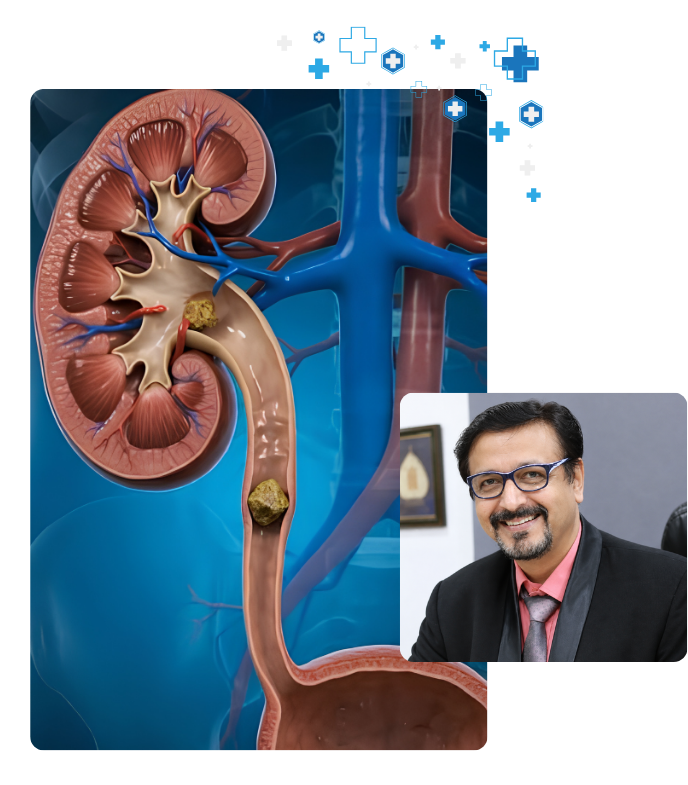
The kidneys filter waste products and excess fluid from the blood to produce urine. When certain substances in urine become concentrated, crystals can form and gradually develop into stones. These stones may remain within the kidney or move into the ureter, the narrow tube that carries urine from the kidney to the bladder. Symptoms vary according to the stone’s size, position and effect on urine flow.
Some kidney stones pass without an operation, particularly when they are small and do not cause significant obstruction or complications. Treatment may include adequate fluid intake when appropriate, pain relief and medication to support passage in selected cases. Larger stones, persistent obstruction, repeated episodes of pain or stones unlikely to pass may require active removal.
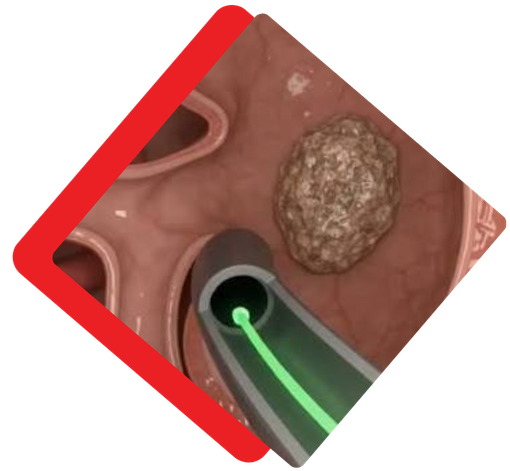
Endoscopic treatment allows a urologist to access stones using specialised instruments and a camera. In ureteroscopy, a thin instrument is passed through the urethra and bladder into the ureter or kidney. In retrograde intrarenal surgery (RIRS), a flexible scope is used to reach stones inside the kidney. Depending on the stone and technique, laser energy may be used to break it into smaller fragments for removal or passage.
When Is Endoscopic Kidney Stone Treatment Considered?
The need for a procedure depends on the stone’s characteristics, symptoms and effect on the urinary tract. Endoscopic treatment may be considered when observation or medication is unlikely to resolve the problem safely.
Persistent Stone-Related Pain
Repeated or ongoing pain associated with a stone may require active treatment when symptoms cannot be adequately controlled.
Stones Unlikely to Pass
Stones that are too large or positioned in a way that makes natural passage unlikely may need a procedure for removal or fragmentation.
Urinary Tract Obstruction
A stone that blocks urine flow can cause swelling of the kidney and may threaten kidney function if the obstruction persists.
Recurrent Urinary Problems
Repeated stone-related episodes, selected urinary infections or blood in the urine may require investigation and treatment of the underlying stone.
Types of Kidney Stones: Why Stone Composition Matters
Kidney stones are classified according to the substances they contain. Their composition can influence how they develop, whether they are visible on particular imaging tests and which prevention strategies may help. A stone’s size and location are also important because these factors affect the likelihood of natural passage and the choice of treatment. Knowing the type of stone can be particularly useful for people who experience repeated episodes. If a stone is retrieved during treatment, laboratory analysis may help identify its composition. Depending on the clinical findings, the urologist may recommend dietary changes, medication or further tests to address factors that contribute to stone formation.
Low Fluid Intake
Not drinking enough fluid can make urine more concentrated, allowing minerals and salts to crystallise more readily.
Dietary Factors
High sodium intake and an imbalance in dietary components may increase stone risk in susceptible individuals, depending on the stone type.
Metabolic Conditions
Certain metabolic abnormalities can increase calcium, uric acid or other stone-forming substances in the urine.
Family History and Previous Stones
A family history of kidney stones or a previous episode can increase the likelihood of developing stones again.
What Can Lead to Kidney Stones?
Kidney stones form when urine contains more stone-forming substances than it can keep dissolved, or when there is insufficient fluid to dilute them. Calcium, oxalate, uric acid and other substances can contribute, depending on the type of stone. The composition of a stone helps explain why it formed and can guide measures to reduce the risk of future episodes.
Several factors can influence stone formation, including fluid intake, dietary habits, metabolic conditions and family history. The causes are not identical for everyone, and some people develop stones despite taking preventive measures. Assessment may include blood and urine tests, stone analysis and, in selected cases, additional metabolic investigations.
Low Fluid Intake
Not drinking enough fluid can make urine more concentrated, allowing minerals and salts to crystallise more readily.
1
Dietary Factors
2
High sodium intake and an imbalance in dietary components may increase stone risk in susceptible individuals, depending on the stone type.
Metabolic Conditions
Certain metabolic abnormalities can increase calcium, uric acid or other stone-forming substances in the urine.
3
Family History and Previous Stones
A family history of kidney stones or a previous episode can increase the likelihood of developing stones again.
4
Endoscopic Kidney Stone Treatment at Shree Hospital
Kidney stone treatment begins with understanding the stone’s location, size, effect on urine flow and any associated infection. A urological consultation at Shree Hospital, Vashi, can help review symptoms and investigation findings and determine whether observation, medication, endoscopic treatment or another procedure may be appropriate.
The recommended approach should take account of kidney function, previous stone episodes, other medical conditions and the likelihood of complete stone clearance. Before proceeding, discuss the proposed technique, need for a temporary stent, follow-up arrangements and steps to reduce recurrence with the treating urologist. Confirm the availability of the specific procedure during consultation.
01

Call Our Hospital
Connect with our team to discuss your needs.
02

Book Your Appointment
Schedule a consultation with our surgical team.
03

Consult Our Surgeon
Discuss your condition and suitable treatment options.
04

Begin Your Treatment
Follow your recommended care and recovery plan.
FAQs About Endoscopic Kidney Stone Treatment
Can all kidney stones be treated endoscopically?
No. The appropriate treatment depends on the stone’s size, location, number, composition and the patient’s health. Some stones may pass naturally, while larger or complex stones may require PCNL or another approach.
Is laser treatment used for kidney stones?
Laser energy is commonly used during ureteroscopy and RIRS to fragment suitable stones. Whether it is appropriate depends on the stone’s characteristics and the planned procedure.
How long does recovery take after endoscopic kidney stone treatment?
Recovery varies according to the procedure, stone burden and whether a stent is placed. The urologist will advise when routine activities can resume and whether any restrictions are needed.
Will I need a stent after the procedure?
A temporary ureteric stent may be used to support urine drainage or reduce the risk of obstruction after treatment. Not every patient needs one, and the removal date should be clearly confirmed if it is placed.
Can kidney stones return after treatment?
Yes. Stone treatment addresses the existing stone but may not eliminate the factors that caused it. Stone analysis, appropriate testing, hydration guidance and other preventive measures may help reduce recurrence.
When should a kidney stone be treated urgently?
Seek urgent medical attention for fever or chills with suspected kidney stones, severe uncontrolled pain, persistent vomiting or difficulty passing urine. A stone causing obstruction alongside infection can require emergency treatment.
Insurance Coverage & Government Healthcare Schemes

Private & Government Insurance
Cashless facilities with eligible insurers and TPAs.

Government Healthcare Schemes
Coverage for eligible ESIS, PM-JAY and MJPJAY beneficiaries.

Financial
Assistance
Eligible support through applicable CM Fund credits.
Take the Next Step Towards Kidney Stone Treatment
Kidney stone symptoms can vary from intermittent discomfort to severe pain or urinary obstruction. A urological assessment can help identify the stone’s location, review suitable treatment options and determine whether endoscopic intervention is appropriate. Book a Consultation at Shree Hospital, Vashi, to discuss kidney stone evaluation, treatment options and steps to reduce recurrence.