
Knee Replacement in Mumbai
What is Knee Replacement
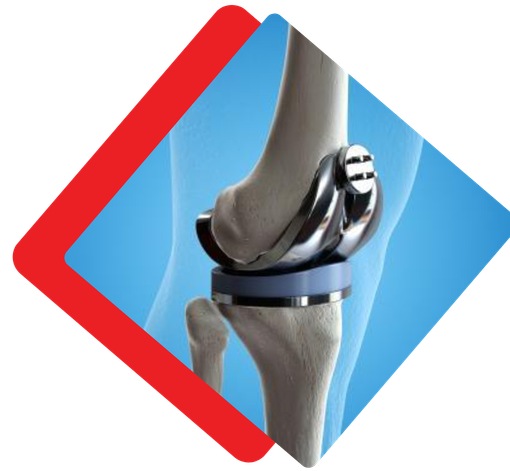
Knee replacement is a surgical procedure used to relieve persistent knee pain and improve mobility when the joint is severely damaged. Conditions such as advanced osteoarthritis, rheumatoid arthritis and certain injuries can gradually affect the cartilage, bone and movement of the knee. When pain begins to interfere with walking, climbing stairs, standing or sleeping, further assessment may be needed to determine whether joint replacement is appropriate.
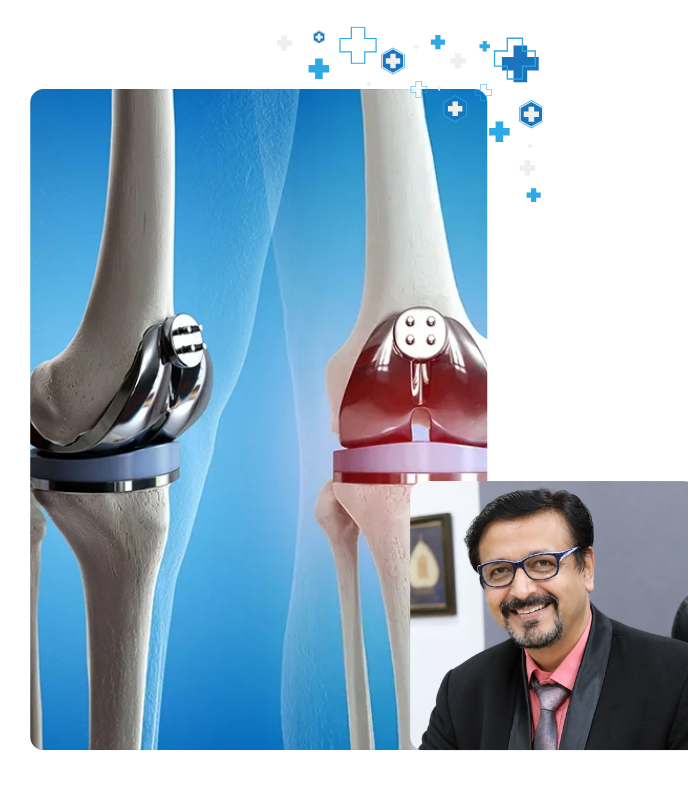
During knee replacement, damaged joint surfaces are replaced with artificial components designed to support movement and function. At Shree Hospital, Vashi, an orthopaedic assessment helps establish the extent of joint damage, review previous treatments and determine whether partial or total knee replacement may be suitable.
KNOW THE BASICS
When Knee Pain Becomes a Joint Problem
The knee is a weight-bearing joint where the thighbone, shinbone and kneecap work together to support movement. Smooth cartilage helps these structures move with minimal friction, while ligaments, muscles and other soft tissues provide stability. When the cartilage wears away or the joint becomes damaged, movement may cause pain, stiffness, swelling and difficulty bearing weight.
Osteoarthritis is a common reason for knee replacement, particularly when cartilage loss becomes advanced. Inflammatory arthritis can also damage the joint, while certain fractures or previous injuries may lead to significant structural changes. Symptoms often develop gradually, although some forms of joint damage can progress more quickly. An examination and appropriate imaging help identify the cause and extent of the problem.
Knee replacement is generally considered when pain and functional limitations remain substantial despite suitable non-surgical treatment. These measures may include physiotherapy, activity modification, weight management where appropriate, walking aids and medication. The decision is not based on an X-ray alone; the severity of symptoms, degree of joint damage, general health and the person’s mobility needs all matter.
When Is Knee Replacement Considered?
Knee replacement may be recommended when joint damage causes persistent pain and restricts normal activities. The decision follows an assessment of symptoms, examination findings, imaging and the response to previous treatments.
Persistent Knee Pain
Pain that continues despite appropriate non-surgical treatment may indicate advanced joint damage requiring further evaluation.
Difficulty Walking
Trouble walking, standing for extended periods or climbing stairs may reflect significant loss of joint function.
Advanced Cartilage Damage
Imaging may reveal substantial cartilage loss, bone changes or joint-space narrowing that corresponds with ongoing symptoms.
Reduced Daily Function
When stiffness and pain interfere with sleep, work or routine activities, knee replacement may be considered after other suitable options are reviewed.
Types of Knee Replacement: How Much of the Joint Needs Treatment?
Knee replacement procedures differ according to the location and extent of joint damage. Some people have wear limited to one compartment of the knee, while others have damage across multiple areas. The surgeon assesses symptoms, joint stability, alignment, imaging and ligament function to determine which procedure may provide an appropriate result.
The distinction between partial and total knee replacement is important because the procedures address different patterns of disease. Implant fixation and surgical planning also vary depending on bone quality, anatomy and other clinical factors. The most suitable option is selected after a detailed evaluation rather than solely on the basis of age or imaging findings.
Total Knee Replacement
The damaged joint surfaces across the main compartments of the knee are replaced with artificial components. It is commonly considered for extensive arthritis affecting several areas of the joint.
Partial Knee Replacement
Only the damaged compartment is replaced when the disease is limited to a specific area and the remaining joint structures are suitable.
Revision Knee Replacement
An existing knee implant is removed or replaced when problems such as loosening, wear, infection or other complications require further surgery.
Bilateral Knee Replacement
Both knees are replaced as part of a planned treatment strategy. Whether surgery is performed together or in separate stages depends on the person’s health and surgical risk.
What Can Lead to Knee Joint Damage?
Knee joint damage can develop when cartilage gradually wears down, inflammation affects joint structures or an injury alters the normal alignment and function of the knee. As the protective cartilage becomes thinner, the joint may experience increased friction and changes in the underlying bone. These changes can lead to pain, swelling, stiffness and reduced movement.
The underlying cause helps determine whether knee replacement is appropriate. Some conditions can be managed with physiotherapy, medication, activity modification or other interventions, particularly in their earlier stages. Replacement surgery is generally considered when the damage is advanced and symptoms continue to affect daily function despite suitable treatment.
Osteoarthritis
Progressive cartilage breakdown causes joint surfaces to become damaged, leading to pain, stiffness and reduced movement.
1
Rheumatoid Arthritis
2
Persistent inflammation can damage cartilage and bone, affecting knee stability and function over time.
Previous Knee Injury
Certain fractures, ligament injuries or other significant trauma can contribute to joint damage and later arthritis.
3
Joint Deformity
Changes in knee alignment can place uneven pressure on the joint surfaces, contributing to wear and functional limitations.
4
Knee Replacement at Shree Hospital
Knee replacement requires careful assessment of joint damage, alignment, ligament function, general health and expected functional benefit. At Shree Hospital, Vashi, an orthopaedic consultation can help determine whether partial or total knee replacement may be appropriate and what preparation and rehabilitation could involve.
The treatment plan should reflect the person’s mobility needs, medical conditions and recovery support. Before proceeding, discuss the proposed procedure, implant options, potential complications, hospital arrangements and postoperative follow-up with the treating orthopaedic team.
01

Call Our Hospital
Connect with our team to discuss your needs.
02

Book Your Appointment
Schedule a consultation with our surgical team.
03

Consult Our Surgeon
Discuss your condition and suitable treatment options.
04
Begin Your Treatment
Follow your recommended care and recovery plan.
FAQs About Knee Replacement
When should someone consider knee replacement?
It may be considered when persistent knee pain and stiffness interfere with daily activities and suitable non-surgical treatments no longer provide enough relief. The decision depends on symptoms, examination and imaging.
How long does a knee replacement last?
Implant longevity varies with implant design, activity, health factors and other considerations. Many implants function for years, but wear or other problems may eventually require further evaluation or revision surgery.
Is knee replacement possible in both knees?
Yes. Both knees may be treated in one operation or through separate procedures. The choice depends on overall health, surgical risk, mobility and the treating team’s assessment.
How soon can someone walk after knee replacement?
Many patients begin assisted standing or walking soon after surgery when medically safe. The timing and level of support depend on the procedure, health status and rehabilitation progress.
Is physiotherapy necessary after knee replacement?
Physiotherapy is an important part of recovery for most patients. It helps restore knee movement, strengthen muscles, improve balance and support safe walking.
Can knee replacement completely remove knee pain?
The procedure often reduces pain caused by damaged joint surfaces, but some people continue to experience discomfort or stiffness. The outcome depends on several factors, including preoperative health and rehabilitation.
Insurance Coverage & Government Healthcare Schemes

Private & Government Insurance
Cashless facilities with eligible insurers and TPAs.

Government Healthcare Schemes
Coverage for eligible ESIS, PM-JAY and MJPJAY beneficiaries.

Financial
Assistance
Eligible support through applicable CM Fund credits.
Take the Next Step Towards Better Knee Movement
Persistent knee pain can gradually limit walking, stair climbing and everyday independence. An orthopaedic assessment can help identify the cause, review available treatments and determine whether knee replacement is appropriate. Book a Consultation at Shree Hospital, Vashi, to discuss knee pain, joint damage and suitable treatment options.