
Laser Piles Treatment in Mumbai
What is Laser Piles Treatment
Piles, also known as haemorrhoids, are swollen vascular cushions in and around the anus that can cause bleeding, discomfort, itching or a lump near the anal opening. When symptoms persist or interfere with daily activities, a clinical assessment can help determine the severity of the condition and whether a procedure is necessary.
Laser piles treatment uses laser energy as part of a procedure to treat selected haemorrhoids. Its suitability depends on the type and grade of piles, the symptoms present and the patient’s overall health. At Shree Hospital, Vashi, treatment decisions should follow an appropriate examination and discussion of the available options.
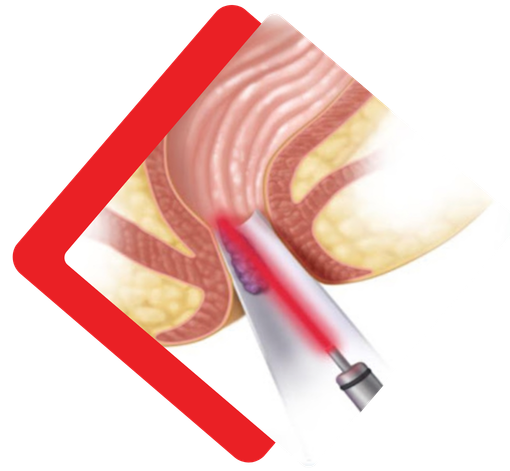
KNOW THE BASICS
Understanding Piles: When Symptoms Need More Than Home Care
Haemorrhoids are normal vascular structures that help support continence. Problems arise when these tissues become enlarged, swollen or symptomatic. Internal haemorrhoids develop inside the rectum, while external haemorrhoids occur beneath the skin around the anus. Symptoms may include bright red bleeding during bowel movements, itching, irritation, discomfort or tissue protruding through the anal opening.
Mild symptoms may improve with dietary changes, adequate fluid intake, fibre and avoiding straining during bowel movements. However, persistent bleeding, recurrent swelling or prolapse may require assessment by a qualified clinician. Bleeding should not automatically be assumed to be caused by piles, as other conditions can produce similar symptoms.
Laser treatment is one of several procedural options for selected patients. Depending on the technique, laser energy may be used to shrink haemorrhoidal tissue or reduce its blood supply. The exact method and expected outcome vary, and laser treatment is not necessarily the best choice for every grade or type of haemorrhoid.
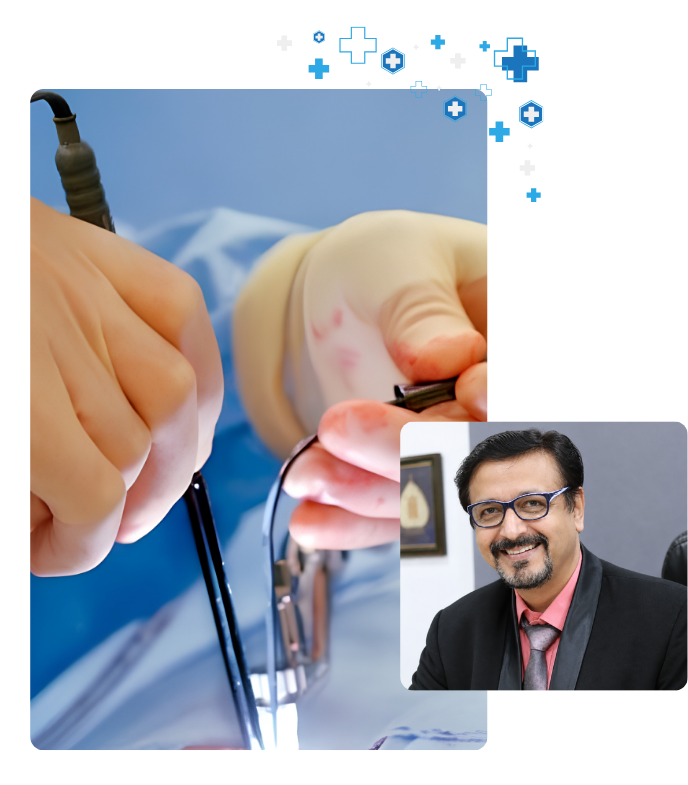
When Is Laser Piles Treatment Considered?
Treatment depends on the severity of symptoms, the grade of haemorrhoids and the response to conservative measures. Laser treatment may be considered in selected cases after examination.
Recurrent Rectal Bleeding
Repeated bleeding during bowel movements may require evaluation to confirm its source and determine whether a procedure is appropriate.
Persistent Discomfort
Ongoing irritation, swelling or discomfort that affects everyday activities may warrant further assessment and treatment.
Prolapsing Haemorrhoids
Internal piles that protrude through the anal opening may require a procedure depending on their grade and whether they can be reduced.
Limited Response to Conservative Care
When fibre, fluids, bowel-habit changes and other recommended measures do not adequately control symptoms, procedural options may be discussed.
What Can Contribute to Piles?
Piles can become symptomatic when pressure and repeated strain affect the tissues and blood vessels around the anus and lower rectum. Bowel habits, changes in tissue support and certain life stages may contribute to their development or aggravate existing haemorrhoids. The factors involved can differ from one person to another.
Understanding these contributors can help patients reduce avoidable strain and manage symptoms alongside any recommended treatment. Common contributing factors include:
Chronic Constipation
Hard stools and repeated straining during bowel movements can increase pressure on haemorrhoidal tissues.
Pregnancy and Ageing
Pregnancy can increase pressure in the pelvic region, while ageing may weaken the supporting tissues around the anus and rectum.
Frequent Straining
Spending prolonged periods on the toilet or repeatedly pushing during bowel movements may aggravate symptoms.
Low Fibre Intake
A diet low in fibre can contribute to hard stools and constipation, making bowel movements more difficult.
Types and Grades of Piles: Why the Difference Matters
Haemorrhoids are classified according to where they develop and, in the case of internal piles, how far the affected tissue protrudes through the anal opening. These differences can influence the symptoms a person experiences, from painless bleeding and itching to swelling, discomfort or a visible lump. Identifying the type and grade helps the surgeon understand the severity of the condition.
The appropriate treatment depends on the extent of prolapse, the presence of pain or bleeding and whether symptoms improve with conservative measures. While some cases can be managed through dietary changes or office-based procedures, others may require surgery. Understanding the different types and grades helps guide treatment decisions and determine whether laser piles treatment is a suitable option.
Internal Piles
These develop inside the rectum and may cause painless bleeding. They are graded according to the extent of prolapse.
1
External Piles
2
These form under the skin around the anus and may cause swelling, irritation or pain, particularly if a blood clot develops.
Prolapsing Piles
Internal haemorrhoids may protrude through the anal opening during bowel movements. Their grade and reducibility influence treatment decisions.
3
Thrombosed External Piles
A blood clot can form within an external haemorrhoid, causing a painful, tender lump that may need prompt clinical assessment.
4
Laser Piles Treatment at Shree Hospital
Treatment for haemorrhoids begins with confirming the cause of symptoms and understanding their severity. At Shree Hospital, Vashi, patients can discuss their symptoms, bowel habits, previous treatment and available procedural options with the treating surgical team.
Bring relevant medical records, prescriptions and any previous investigation reports to your consultation. These details can help the clinician assess whether laser treatment is appropriate or whether another approach may offer a more suitable option.
01

Call Our Hospital
Connect with our team to discuss your needs.
02

Book Your Appointment
Schedule a consultation with our surgical team.
03

Consult Our Surgeon
Discuss your condition and suitable treatment options.
04
Begin Your Treatment
Follow your recommended care and recovery plan.
FAQs About Laser Piles Treatment
Is laser piles treatment suitable for every grade of haemorrhoids?
Laparoscopic hernia repair is an established surgical technique when performed in appropriately selected patients. As with any operation, it carries risks, including bleeding, infection, recurrence and injury to nearby structures. The surgeon can explain the risks relevant to your condition.
Are piles and anal fissures the same condition?
No. Piles involve enlarged haemorrhoidal tissue, while an anal fissure is a tear in the lining of the anal canal. Both can cause pain or bleeding.
Can piles return after laser treatment?
Symptoms can recur, particularly if contributing bowel habits persist. Fibre intake, adequate fluids and avoiding straining may help reduce the risk.
Does every case of piles require surgery?
No. Mild symptoms may improve with dietary changes, fibre, fluids and bowel-habit adjustments. Procedures are considered according to severity and response to treatment.
Is rectal bleeding always caused by piles?
No. Other bowel conditions can also cause bleeding. Persistent or unexplained bleeding, or bleeding accompanied by other concerning symptoms, needs medical assessment.
What should I bring to my piles consultation?
Bring previous reports, prescriptions, details of earlier treatments and a list of current medicines. Be prepared to describe your symptoms and bowel habits.
Insurance Coverage & Government Healthcare Schemes

Private & Government Insurance
Cashless facilities with eligible insurers and TPAs.

Government Healthcare Schemes
Coverage for eligible ESIS, PM-JAY and MJPJAY beneficiaries.

Financial
Assistance
Eligible support through applicable CM Fund credits.
Considering Laser Piles Treatment ?
Persistent anal discomfort, bleeding or prolapse should be assessed rather than managed indefinitely without a diagnosis. Contact Shree Hospital, Vashi, to arrange a consultation and discuss whether laser piles treatment or another option may be appropriate for your condition.