
Arthroscopic Surgery in Mumbai
What is Arthroscopic Surgery
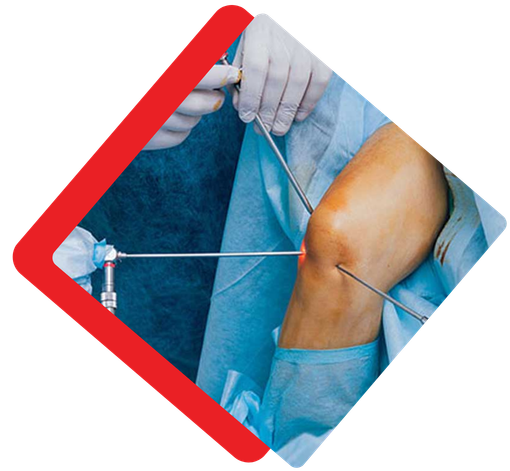
Arthroscopic surgery is a minimally invasive surgical technique used to examine and treat problems inside a joint through small incisions. A thin instrument with a camera, called an arthroscope, allows the surgeon to view the joint on a screen and assess damaged structures. Depending on the condition, specialised instruments may be used to treat injuries involving cartilage, ligaments or other joint tissues.
Arthroscopy may be considered for selected knee, shoulder and hip conditions when symptoms persist or a structural problem requires surgical treatment. At Shree Hospital, Vashi, an orthopaedic consultation can help determine the cause of joint pain, review suitable treatment options and establish whether arthroscopic surgery is appropriate.
KNOW THE BASICS
Inside the Joint: How Arthroscopy Helps Address Orthopaedic Problems
Joints contain several structures that work together to support movement, stability and weight-bearing. These include cartilage, ligaments, tendons and other soft tissues. An injury or underlying joint condition can affect one or more of these structures, resulting in pain, swelling, restricted movement, instability or difficulty performing everyday activities.
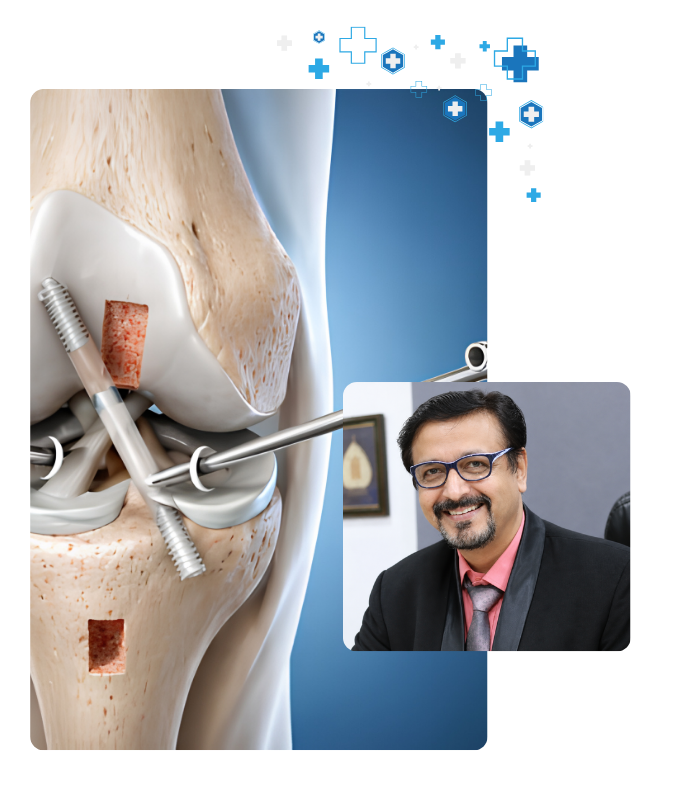
Arthroscopy allows the surgeon to view the inside of a joint through a small camera inserted through a small incision. The images help assess the affected structures, while additional small incisions may be used to introduce surgical instruments. Depending on the diagnosis, the surgeon may repair selected tissues, remove loose fragments or address other problems that can be treated through this approach.
The procedure is commonly used for certain knee and shoulder conditions, including selected meniscal injuries, ligament-related problems, loose bodies and some forms of shoulder instability. Arthroscopy may also be appropriate for specific hip conditions. However, not every joint problem can be treated arthroscopically, and the procedure does not reverse all forms of arthritis or cartilage damage.
When Is Arthroscopic Surgery Considered?
Arthroscopic surgery may be considered when a joint problem causes persistent symptoms or when a specific structural injury requires surgical treatment. The decision depends on the condition, examination findings, imaging and the expected benefit of the procedure.
Persistent Joint Symptoms
Pain, swelling or restricted movement that continues despite appropriate treatment may require further assessment for an underlying structural problem.
Ligament or Cartilage Injury
Selected injuries involving ligaments, menisci or other joint structures may be suitable for arthroscopic repair or reconstruction.
Joint Locking or Loose Bodies
A loose fragment of bone or cartilage may interfere with movement and, in selected cases, can be addressed through arthroscopy.
Recurrent Joint Instability
Repeated episodes of instability, particularly in the shoulder or knee, may indicate a structural problem that requires specialist evaluation.
Types of Arthroscopic Surgery: Which Joint Is Involved?
Arthroscopic surgery is adapted to the joint being treated and the structures affected. The knee, shoulder and hip have different anatomy and movement requirements, so the procedure and rehabilitation plan vary according to the diagnosis. The surgeon considers the location of the problem, the extent of tissue damage and the person’s functional goals before recommending treatment. The term arthroscopy describes the surgical approach rather than one specific operation. Some procedures involve removing loose fragments or treating damaged tissue, while others focus on repairing or reconstructing a structure. Not every injury is suitable for arthroscopy, and the availability of individual procedures should be confirmed with the treating orthopaedic team.
Knee Arthroscopy
Used for selected knee problems, such as certain meniscal tears, loose bodies and specific ligament-related injuries. Suitability depends on the type and extent of damage.
Shoulder Arthroscopy
May be used for selected rotator cuff injuries, shoulder instability, loose bodies or other structural problems affecting shoulder movement.
Hip Arthroscopy
May be considered for selected conditions involving the hip labrum, loose bodies or certain structural abnormalities within the joint.
Other Joint Arthroscopy
Arthroscopy can also be performed in selected conditions affecting joints such as the ankle, wrist or elbow, depending on the diagnosis and surgical expertise available.
What Can Lead to Joint Problems Requiring Arthroscopy?
Joint conditions that may be treated with arthroscopy can develop through sudden injury, repetitive loading or gradual changes in joint structures. Sports-related movements, falls and twisting injuries can damage ligaments or cartilage, while repeated strain may contribute to symptoms in some joints. The underlying problem determines whether arthroscopy is likely to be useful.
Not every injury or painful joint requires surgery. Many conditions improve with rest, activity modification, medication and physiotherapy. Arthroscopy is generally considered when examination and imaging identify a treatable structural problem and the expected benefits of surgery justify its risks.
Sports Injuries
Sudden twisting, impact or rapid changes in direction can damage knee ligaments, menisci or structures within the shoulder.
1
Repetitive Joint Stress
2
Repeated loading or overhead activity may contribute to certain joint problems, particularly when combined with existing tissue changes.
Degenerative Changes
Age-related changes can affect cartilage and other joint structures, although arthroscopy is not routinely beneficial for every degenerative condition.
3
Traumatic Joint Damage
Falls, accidents or direct impact can cause tissue tears or loose fragments that may require further evaluation and, in selected cases, surgical treatment.
4
Arthroscopic Surgery at Shree Hospital
Joint pain and restricted movement can arise from several different conditions, and identifying the underlying cause is important before considering surgery. An orthopaedic consultation at Shree Hospital, Vashi, can help assess the symptoms, review relevant imaging and determine whether non-surgical treatment, arthroscopy or another procedure may be appropriate.
The recommended approach should reflect the joint involved, the extent of tissue damage, medical history and activity requirements. Before proceeding, patients should discuss the proposed procedure, expected recovery, rehabilitation needs and possible complications with the treating orthopaedic team. The availability of specific arthroscopic procedures should be confirmed during consultation.
01

Call Our Hospital
Connect with our team to discuss your needs.
02

Book Your Appointment
Schedule a consultation with our surgical team.
03

Consult Our Surgeon
Discuss your condition and suitable treatment options.
04
Begin Your Treatment
Follow your recommended care and recovery plan.
FAQs About Arthroscopic Surgery
What conditions can arthroscopic surgery treat?
Arthroscopy may be used for selected meniscal tears, ligament injuries, shoulder instability, loose bodies and certain other joint problems. The suitable procedure depends on the diagnosis and extent of damage.
Is arthroscopic surgery always better than open surgery?
No. Arthroscopy is useful for selected conditions, but some problems require open surgery or another treatment. The best approach depends on the joint, injury and procedure needed.
How long does recovery after arthroscopic surgery take?
Recovery depends on the joint treated and whether the procedure involves simple tissue treatment, repair or reconstruction. The surgeon and physiotherapist can provide guidance based on the planned procedure.
Is physiotherapy required after arthroscopy?
Physiotherapy is often an important part of recovery, particularly after ligament repair or reconstruction. The exercises and timing depend on the procedure and the tissues that need to heal.
Can arthroscopy treat advanced arthritis?
Arthroscopy does not reverse advanced cartilage loss, and it is not routinely recommended for treating uncomplicated degenerative knee arthritis. Other treatments may be more appropriate depending on the severity of the condition.
When should I consult an orthopaedic specialist about joint pain?
Seek an assessment if pain, swelling, restricted movement or joint instability persists or repeatedly returns. Severe pain, an inability to bear weight after an injury or a hot, swollen joint with fever requires prompt medical evaluation.
Insurance Coverage & Government Healthcare Schemes

Private & Government Insurance
Cashless facilities with eligible insurers and TPAs.
Government Healthcare Schemes
Coverage for eligible ESIS, PM-JAY and MJPJAY beneficiaries.

Financial
Assistance
Eligible support through applicable CM Fund credits.
Take the Next Step Towards Better Joint Function
Persistent joint pain, restricted movement or repeated episodes of instability may indicate a problem that needs further assessment. An orthopaedic consultation can help identify the cause, review treatment options and determine whether arthroscopic surgery is appropriate. Book a Consultation at Shree Hospital, Vashi, to discuss your joint symptoms and the next steps towards treatment.